Chapter V · Photographic archive
Gallery and images of the saint
Portraits, relics, plaques, views of the shrine. A visual archive that includes a corpus of historical photographs — most taken between 2000 and 2010, before the new main shrine was built — rescued from an earlier devotional site.
Editor's note
About the historical photographs
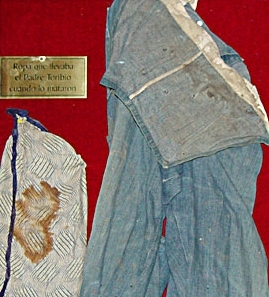
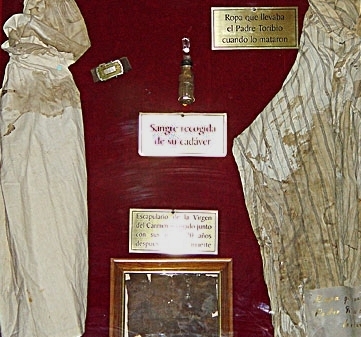
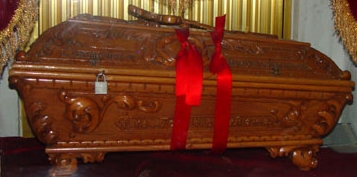
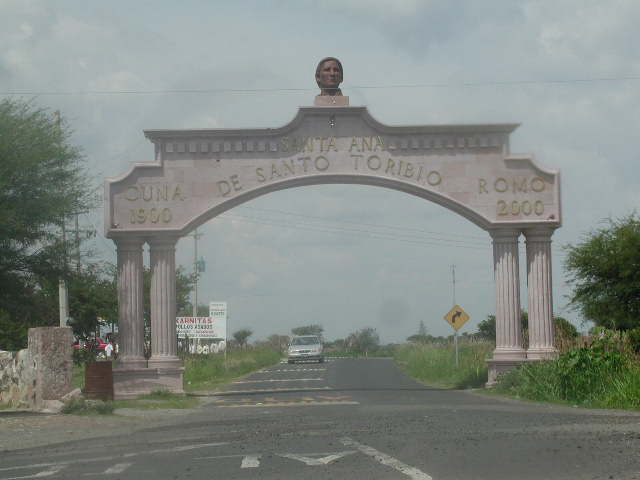
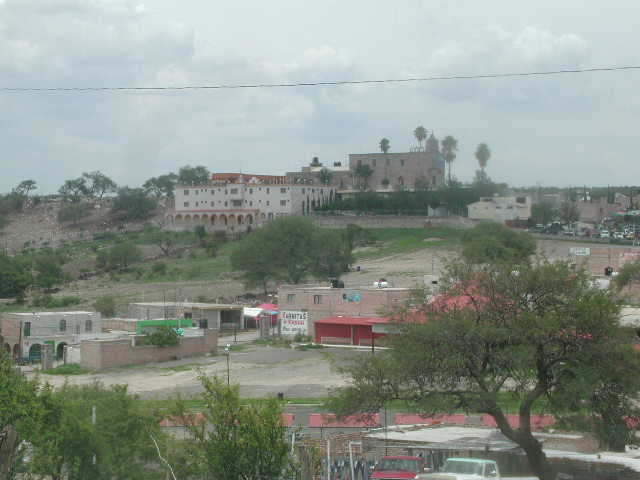
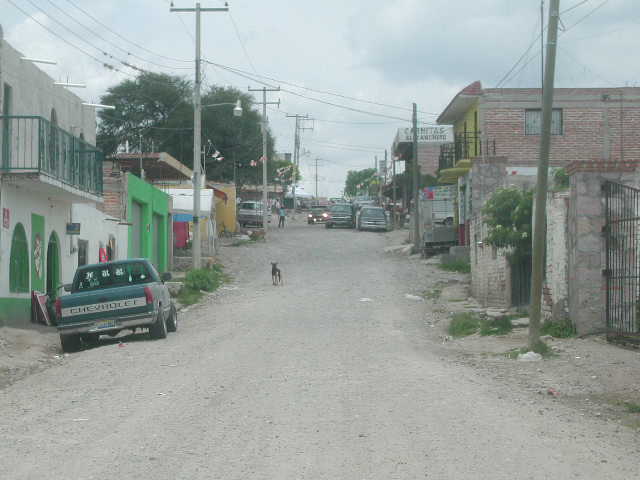
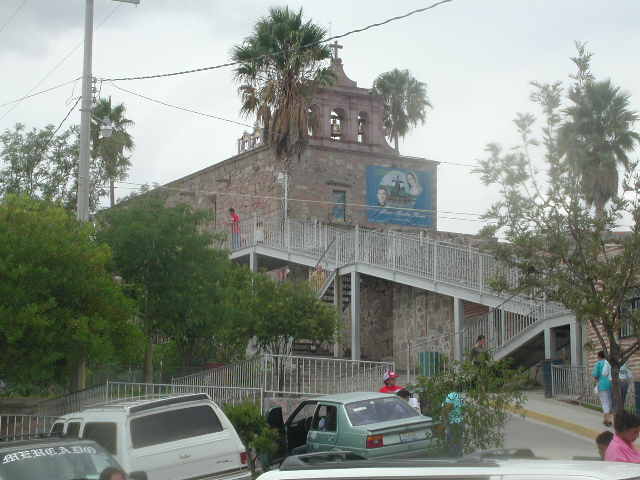
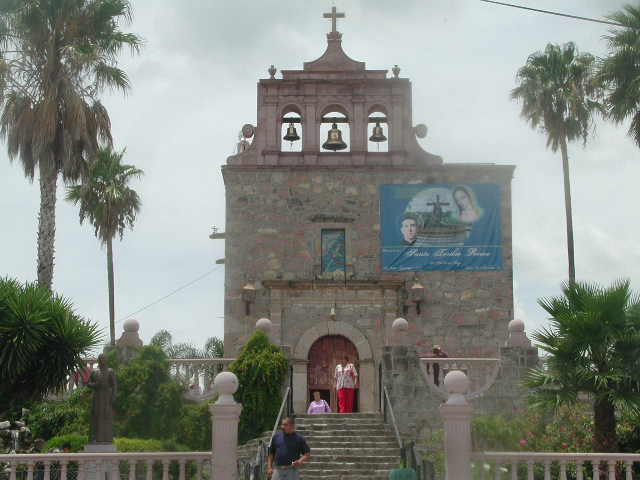
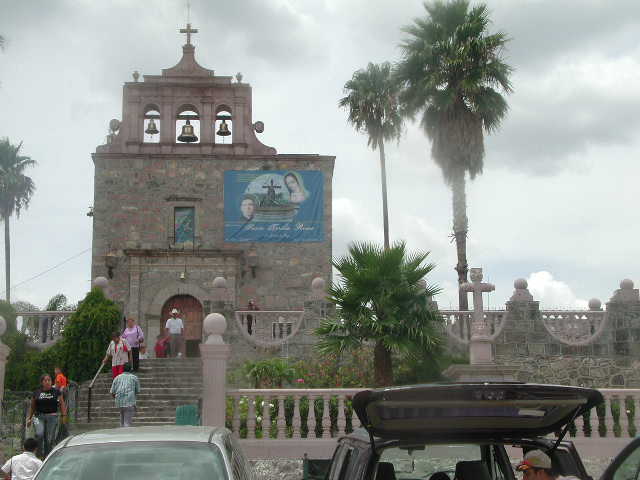
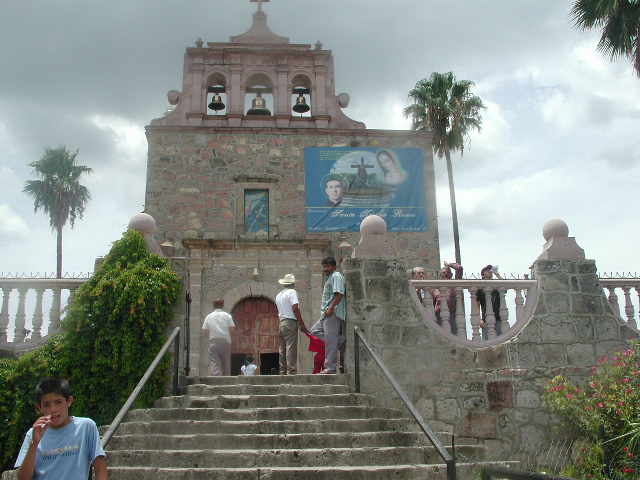
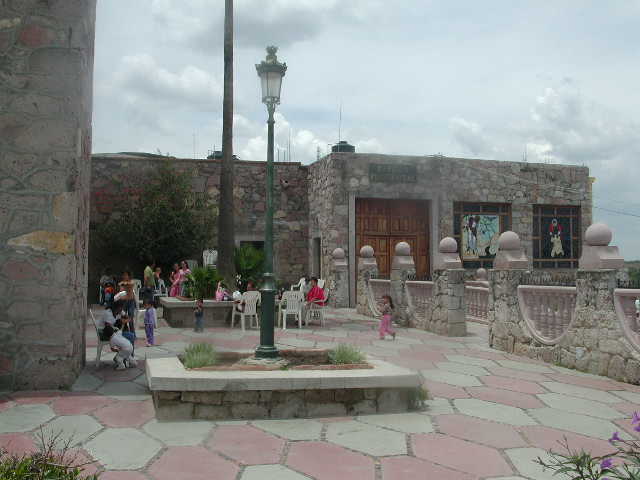
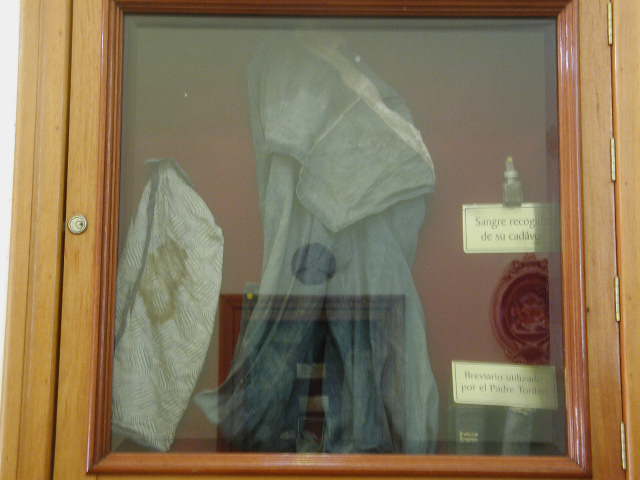
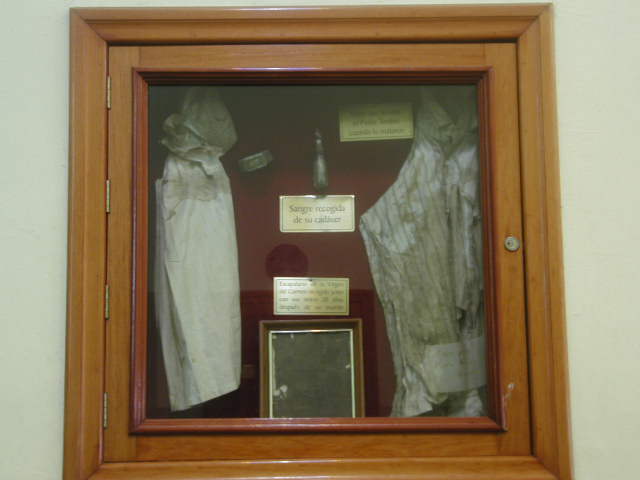
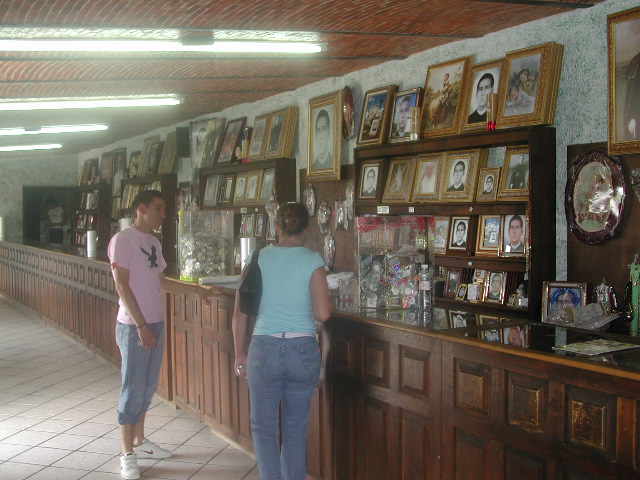
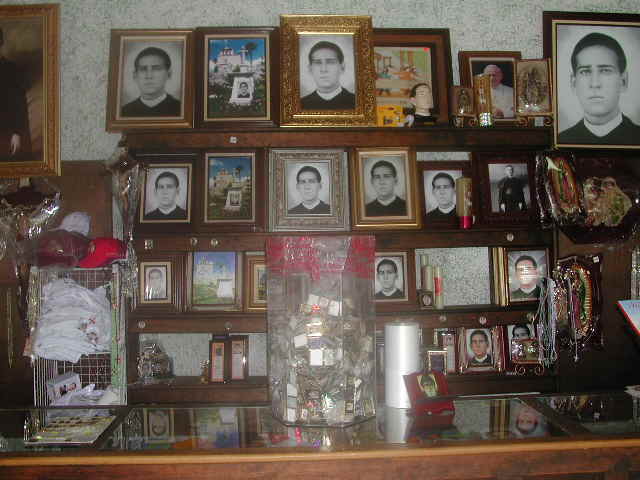
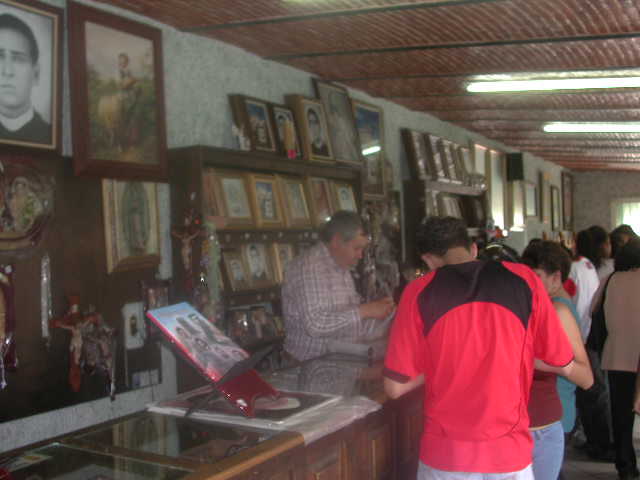
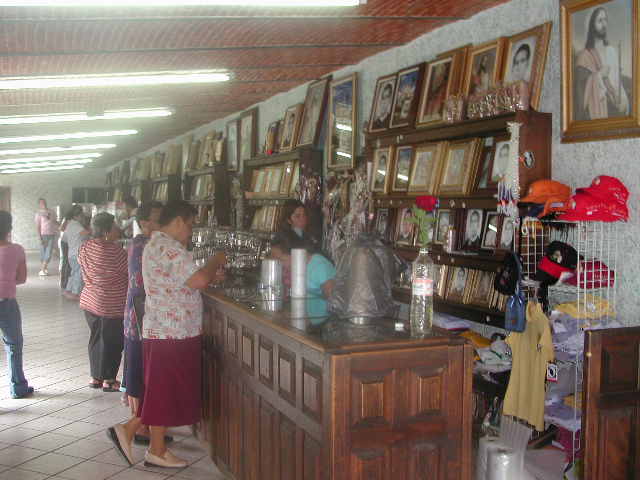
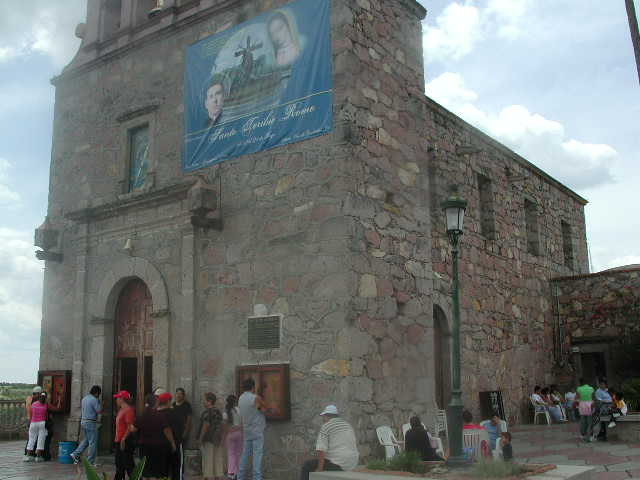
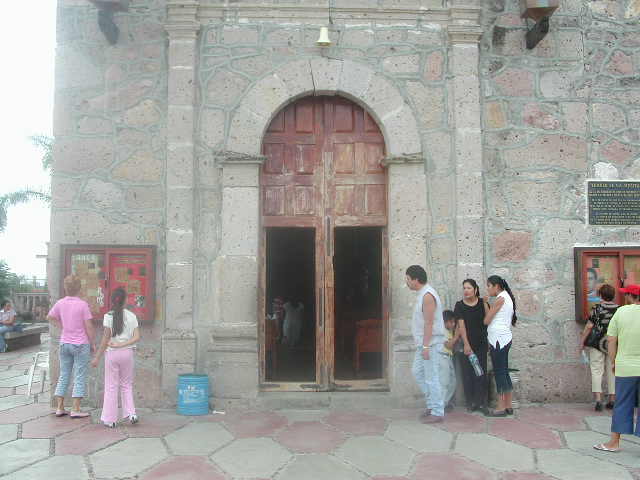
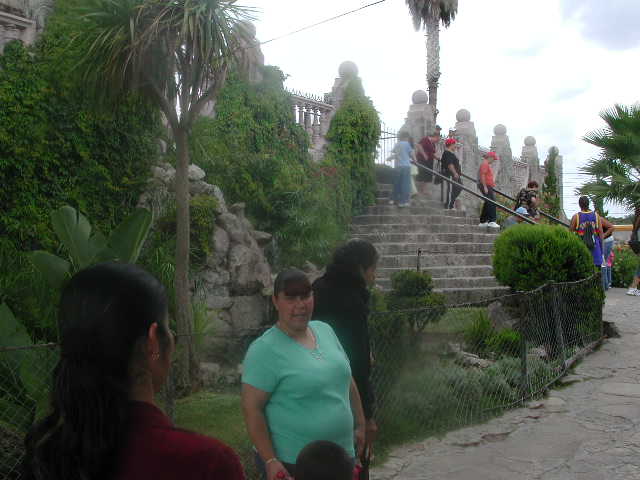
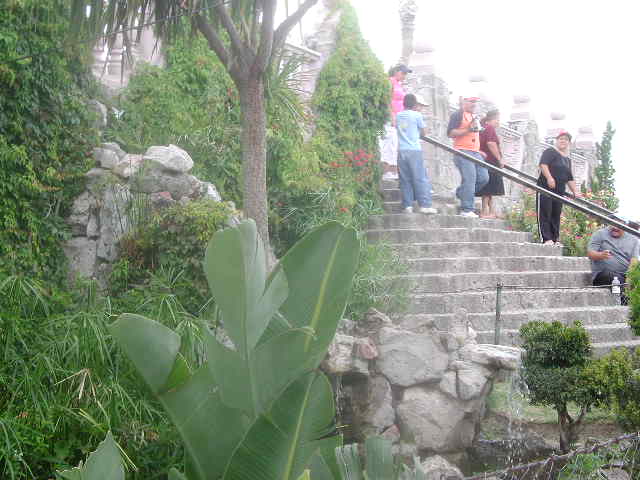
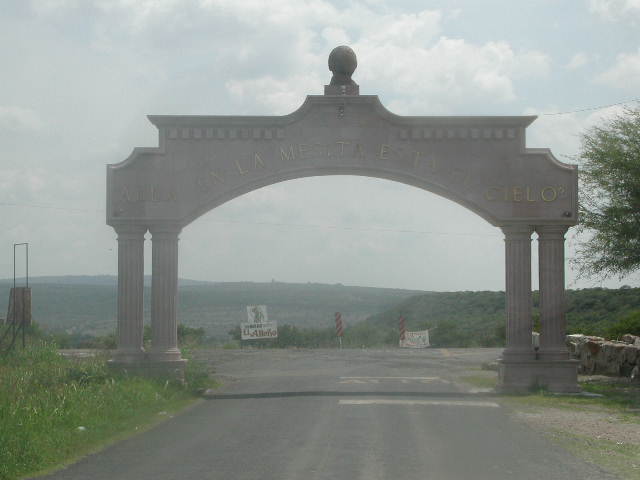
The Historical Photographs section of this gallery brings together a set of images taken between approximately 2000 and 2010, rescued from a devotional site that predated this archive. The photographs show the shrine of Santa Ana de Guadalupe in its configuration before the construction of the new main temple — when the original Iglesia de la Mesita was still the visible center of the cult, when buses arrived at the foot of the monumental arch and pilgrims climbed the stone steps on foot. They are also, many of them, the closest images we have of the relics: the saint's bloodstained clothing, the scapular, the vial of blood from the corpse, the funerary urn. Some are modest in quality — early-2000s cameras, ambient light, no artistic pretension. Their value is documentary: they are faithful memory of a shrine that, although still standing, no longer looks the same.
Bronze plaques
The shrine's chronology
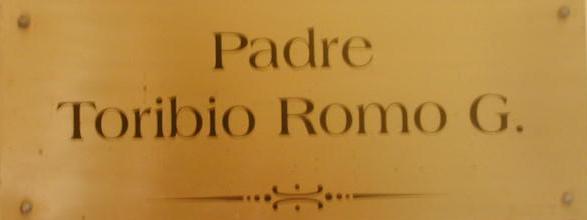
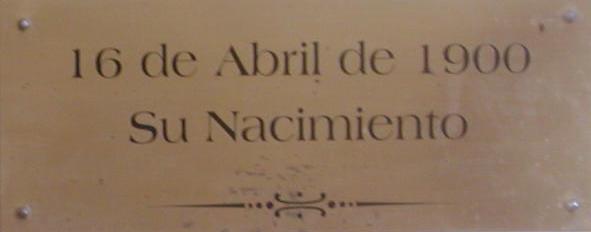
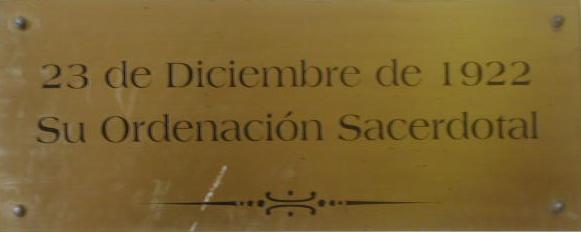
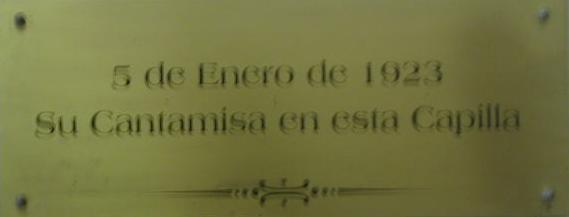
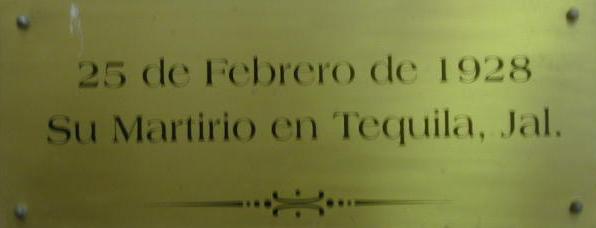
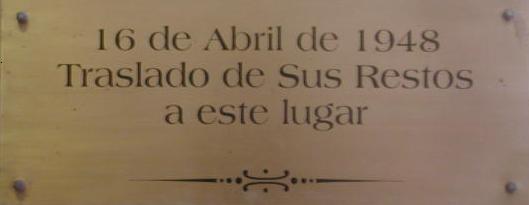
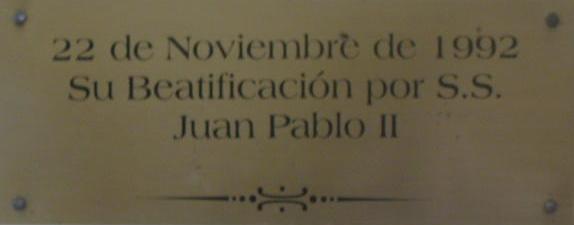
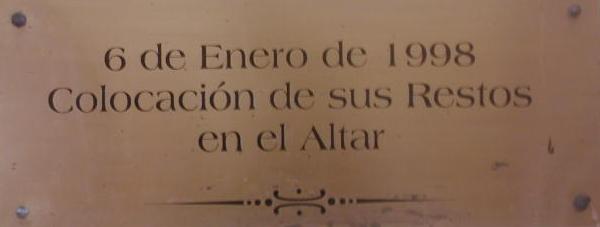
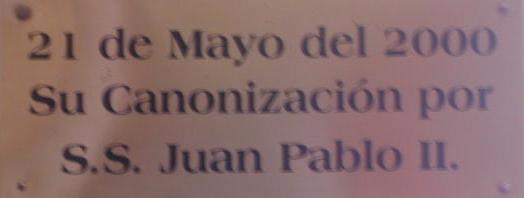
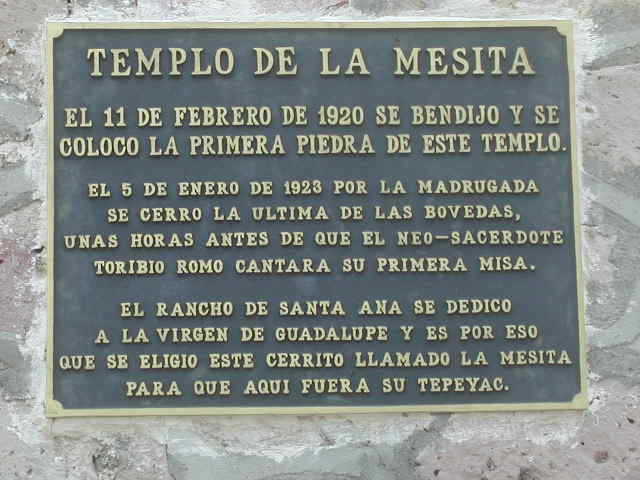
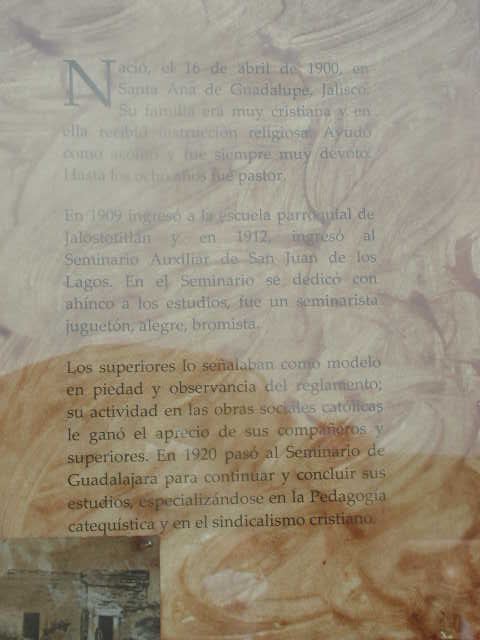
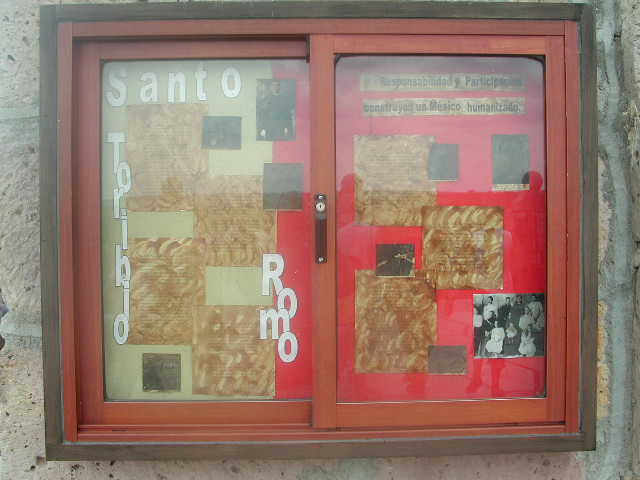
Inside the new temple, nine bronze plaques mounted in line summarize the life of Saint Toribio Romo and the history of his relics. Read in sequence, they are the official condensed biography — from the shrine itself, without intermediation.
Historical photographs · I
Portraits of the saint
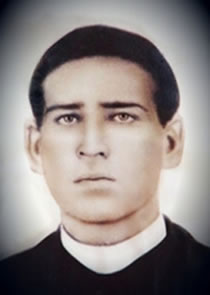
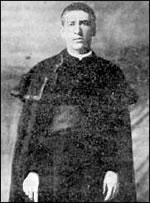
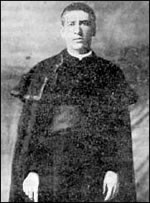
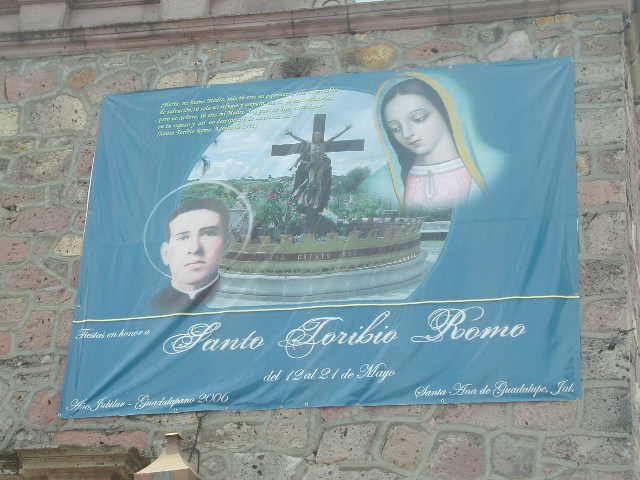
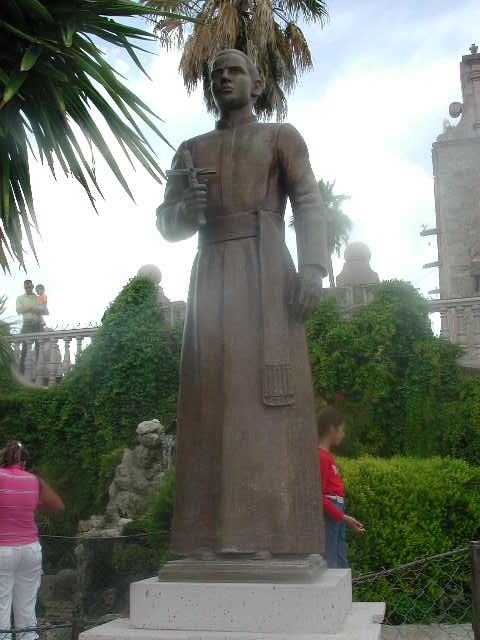
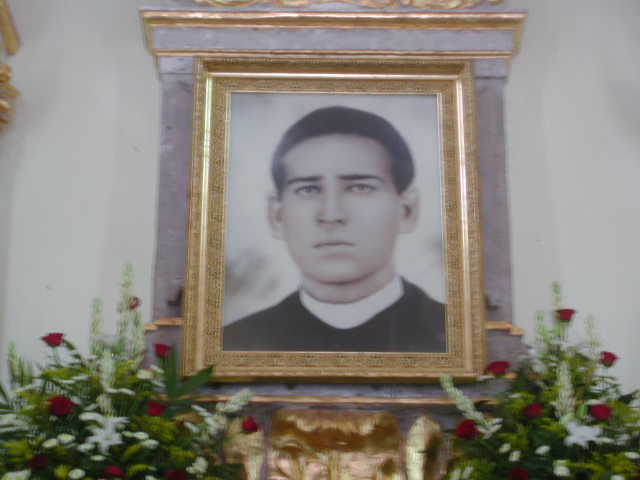
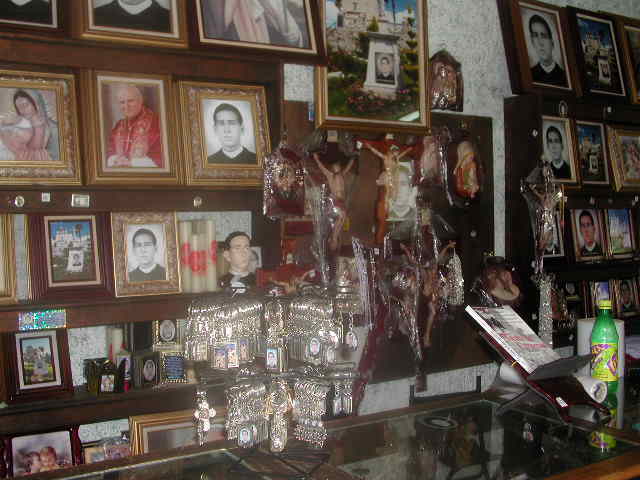
The most widely disseminated photographs of Father Toribio Romo González. The first — the sepia-toned half-bust portrait, in cassock with frank gaze — is the iconic image, reproduced on thousands of holy cards and medals across Mexico and the United States. The other two are less known: a full-body portrait in cassock, and an alternate half-body portrait.
Historical photographs · II
The relics
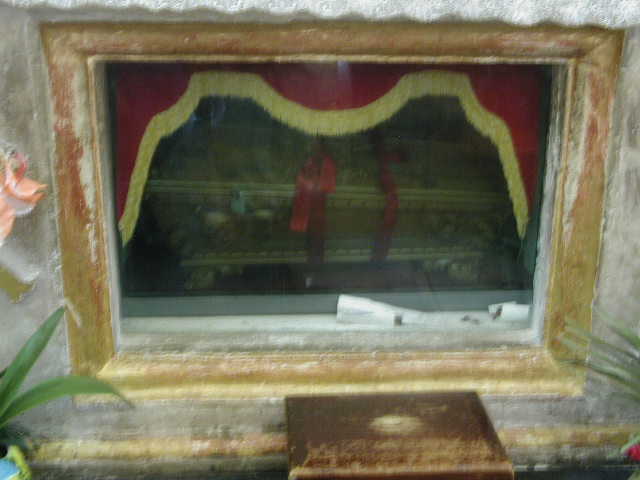
The saint's relics — the clothing he was wearing on the morning of the martyrdom, the Scapular of Our Lady of Mount Carmel found beside his body, blood gathered from the corpse in cotton wool later kept in small glass vials — are displayed inside the shrine in protected side urns. These photographs, taken before the transfer to the new main shrine, are among the closest images of the objects in existence.
Historical photographs · III
The shrine before the new temple
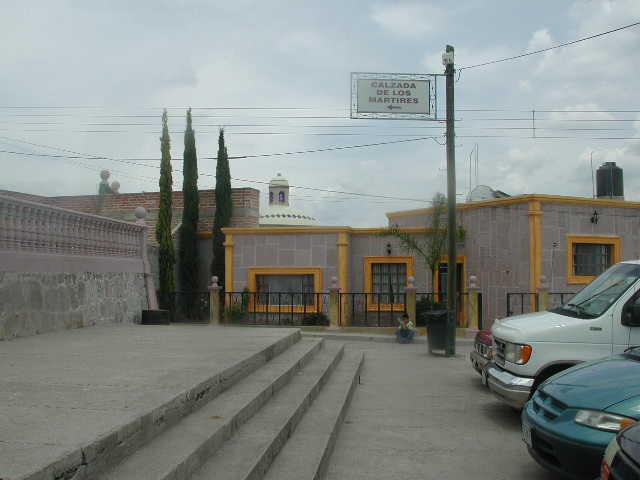
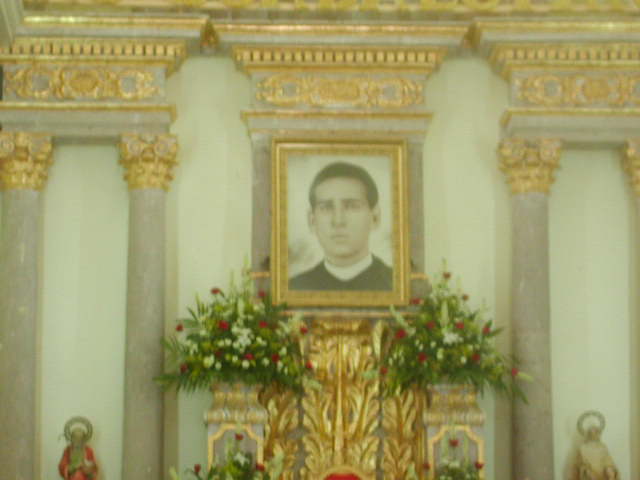
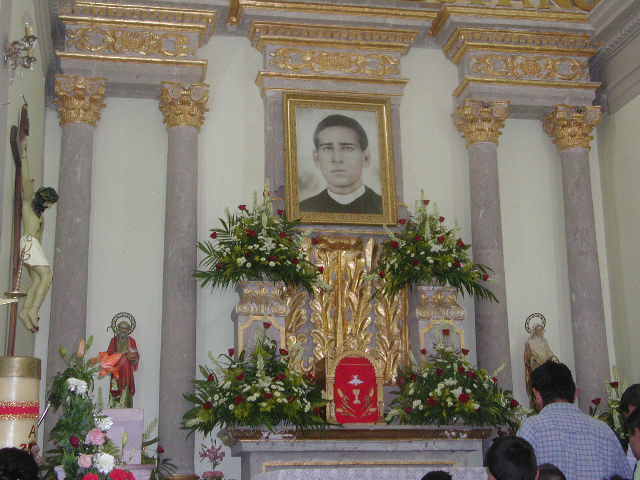
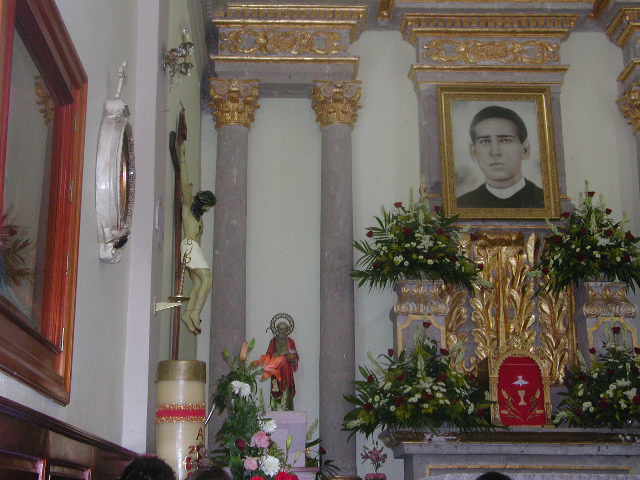
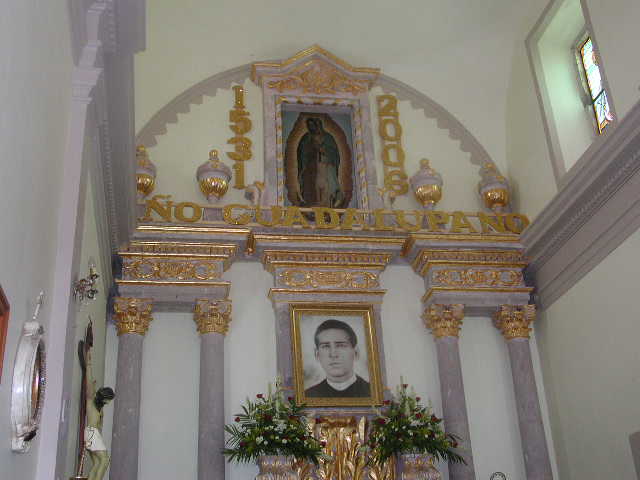
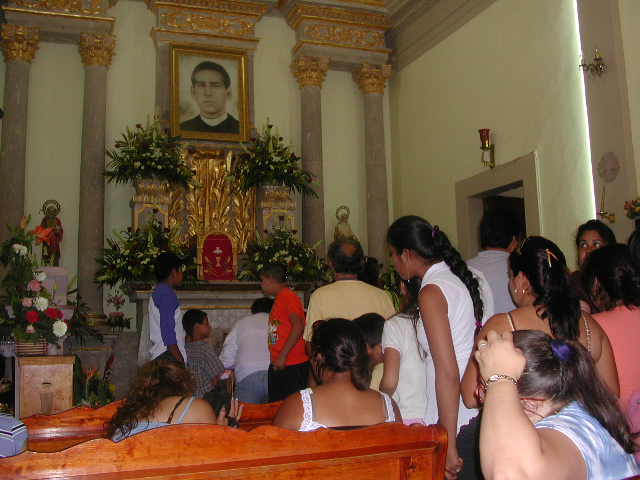
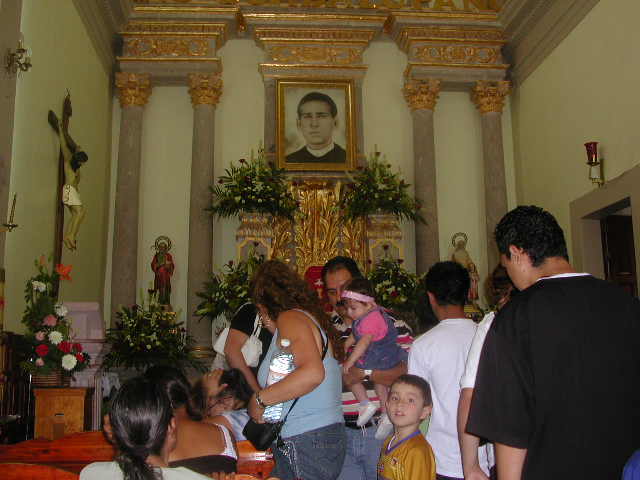
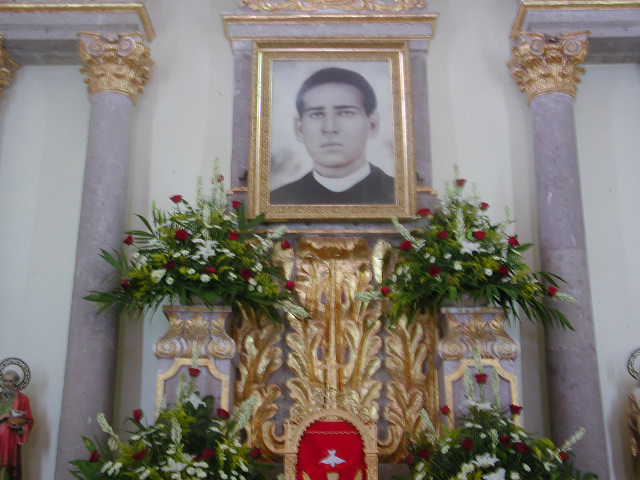
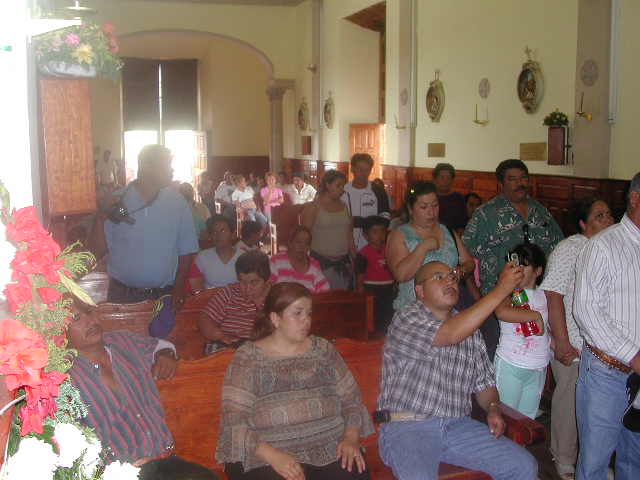
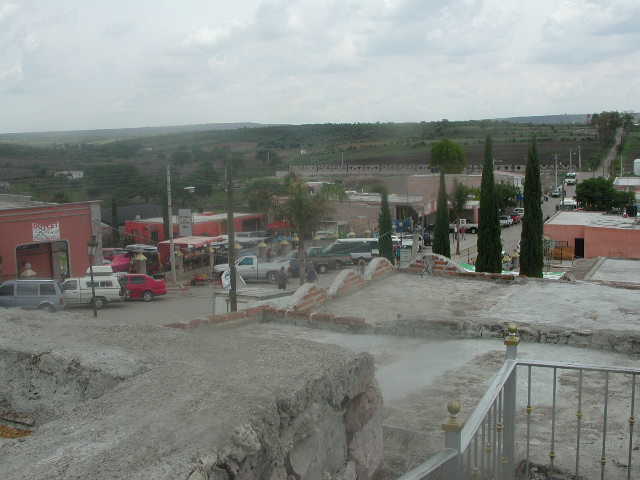
These photographs show the shrine as it looked between roughly 2000 and 2010, before the construction of the new main temple (completed in stages between 2012 and 2020). The monumental arch at the village entrance, the Iglesia de la Mesita with its stone steps, the interior with the saint's portrait over the gilded altar, the Walkway of the Martyrs, panoramic views of the complex. Today much of the setting remains the same, but the scale of pilgrim reception changed substantially with the new temple.
Historical photographs · IV
Interior, altars, images
Gilded retablos, images and statues of the saint, details of the interior of the Iglesia de la Mesita and the shrine. Some of these images continue to be venerated today at the same sites; others were moved to the new temple.